Understanding Roof Replacement: Key Steps to Make Informed Decisions for Your Home
Handling roof replacement involves careful consideration at every stage. Homeowners must first acknowledge when their current roof is no longer adequate. Next, determining the right materials and budgeting effectively are critical steps. Choosing a qualified contractor can greatly impact the outcome. Understanding each phase of the process provides a smoother experience. Yet, many still find themselves overwhelmed by the choices ahead. What comes next in this vital journey?
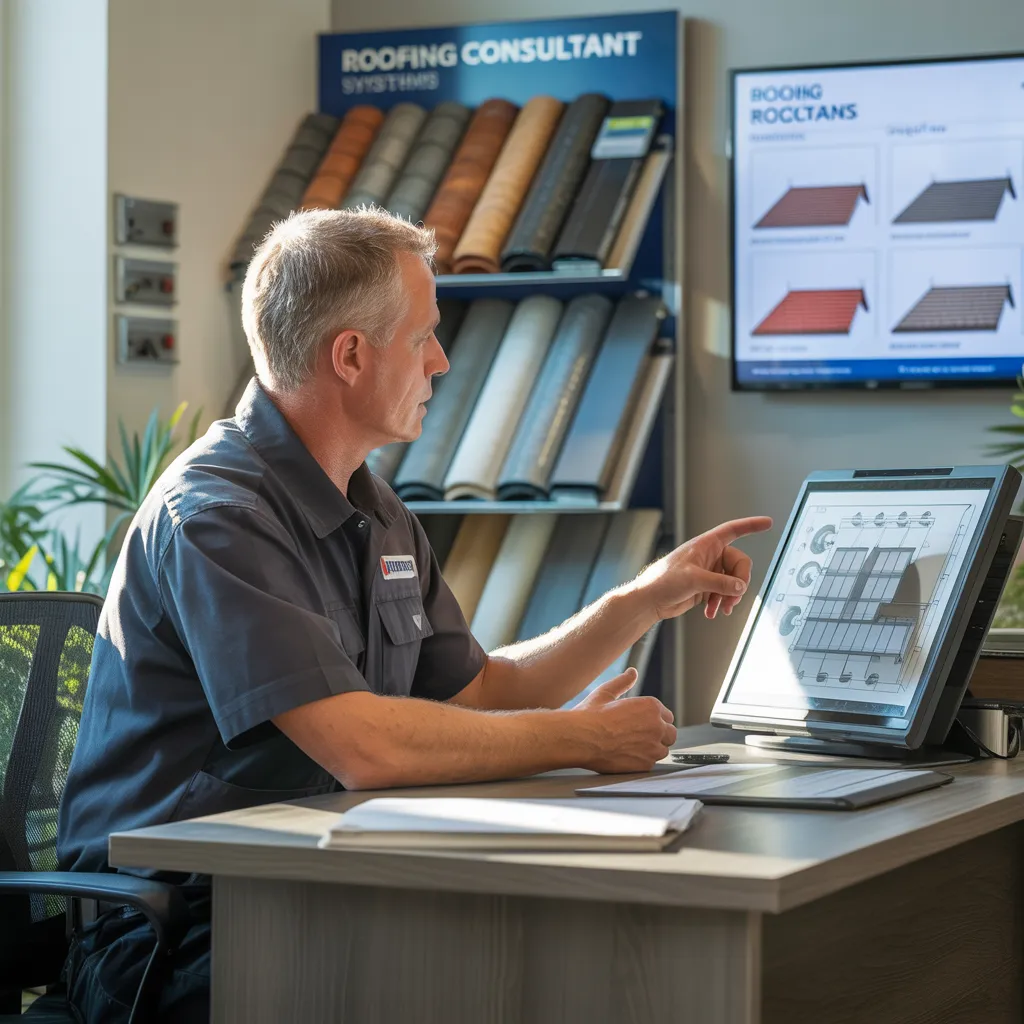
How to Know If You Need a New Roof?
How can a homeowner determine if it's time for a new roof? Several key indicators can guide this decision. First, visible signs of wear, such as curling, missing, or cracked shingles, often suggest deterioration. Homeowners should also inspect for granules accumulating in gutters, which can indicate shingle breakdown. Furthermore, black streaks or algae on the roofing material might indicate hidden water problems. Indoors, water spots on ceilings or walls can uncover leaks, demanding urgent attention. Another vital factor is the age of the roof; most asphalt roofs last around 20 years, and nearing this age may warrant a replacement. Lastly, an expert evaluation can offer a comprehensive examination, assisting property owners in making knowledgeable choices about their roofing requirements. Recognizing these indicators ensures that property owners can safeguard their investment and preserve the complete integrity of their home.
Which Type of Roofing Materials Are Suitable for Your Home?
Picking the right roofing materials can substantially impact a home's lifespan and aesthetic appeal. Homeowners must consider various factors, including climate, architectural style, and budget. Asphalt shingles are popular for their affordability and ease of installation, making them ideal for many homes. Metal roofing, recognized for its lifespan and energy efficiency, is another option, particularly in areas prone to severe weather. For those seeking a more natural look, wood shakes offer a rustic charm but require regular maintenance. Slate and tile, while more expensive, provide exceptional resilience and can increase a home's value. Furthermore, eco-friendly materials, such as recycled shingles or green roofs, appeal to environmentally conscious homeowners. In the end, selecting the right material involves balancing these factors against personal preferences and specific regional considerations, ensuring a roof that meets both functional and aesthetic needs for years to come.
How to Plan Your Roof Replacement Budget Effectively?
Creating an effective budget for a roof replacement requires meticulous planning and assessment of different costs. Homeowners should start by examining the complete condition of their current roofing roof and estimating the needed materials and labor involved in the replacement. It can be useful to research alternative roofing materials, as costs can change substantially depending on style and quality.
Additionally, homeowners should consider potential permits, inspections, and disposal fees for the old roofing materials. Setting aside a contingency fund for unforeseen expenses can eliminate financial strain during the project.
To create a clear budget, securing multiple estimates from several suppliers and contractors can offer a more comprehensive perspective on pricing. Additionally, examining warranties and long-term maintenance costs of different roofing options can assist in making an informed decision that aligns with both budget and future needs.
Choosing the Right Contractor for Your Roof Replacement?
What considerations should homeowners weigh when picking a contractor for their roof replacement project? First, they should prioritize experience and reputation. Homeowners benefit from contractors who have a proven track record and positive reviews from previous clients. Checking for proper licensing and insurance is crucial, as it protects against potential liabilities. Additionally, obtaining multiple estimates helps guarantee competitive pricing and transparency regarding costs.
Property owners ought to ask about the materials used by the contractor, as quality can substantially influence the roof's longevity. Communication is vital; a good contractor should be responsive and willing to answer concerns. Finally, review considering offered warranties can provide peace of mind, reflecting the contractor's confidence in their work. By thoughtfully reviewing these factors, homeowners can make informed decisions and select a reliable contractor for their roof replacement project.
Your Complete Roof Replacement Procedure: Step-by-Step
An effective roof replacement project includes several critical steps that homeowners should complete. Initially, they should perform a comprehensive inspection of the existing roof to evaluate its condition and establish the need for replacement. Following this, homeowners should research and select a qualified contractor who specializes in roofing installations. Securing multiple quotes will enable them compare costs and services.
After a contractor has been selected, the homeowner should finalize the contract, guaranteeing all details are clearly stated. The next step is to prepare the property for the replacement, which may include moving furniture and safeguarding outdoor plants. During the actual replacement, effective communication between the homeowner and contractor is vital.
After the new roof is put in place, a comprehensive inspection ought to be completed to verify craftsmanship and alignment with safety regulations. Afterward, homeowners ought to familiarize themselves with maintenance practices to extend the lifespan of their new roof.
Common Questions
How Long Does a Roof Replacement Typically Take?
Roof replacement typically takes between 1-3 days, contingent upon factors such as the dimensions of the roof, roofing materials employed, climate conditions, and the experience level of the workers handling the project.
Is Staying in My Home During Roof Replacement an Option?
In most cases, homeowners can continue living in their homes during a roof replacement. That said, discomfort may arise from noise, debris, and possible safety concerns. We recommend discussing particular conditions and safety protocols with your contractors.
What Types of Warranties Are Available for New Roofs?
Several warranties for new roofs include manufacturer warranties, which cover the materials used, and workmanship warranties, offered by contractors. Coverage and duration vary, often ranging from 10-50 years, depending on the material and installer.
Are There Financing Options for Roof Replacement?
Indeed, several financing alternatives can be found for roof replacement, encompassing personal loans, home equity lines of credit, and specialized contractor financing arrangements. Property owners should analyze and assess terms to determine the best choice for their financial condition.
How Can I Keep My New Roof in Good Condition?
For maintaining a new roof successfully, one should regularly inspect for debris, establish proper drainage, clean gutters, check for leaks, and schedule professional inspections to address potential issues before they escalate, extending the roof's longevity.